
The Complete New CTE Pathway Launch Playbook
A 12-month implementation guide from concept to first completers.
Pathful is a Career Readiness & Development company serving millions of students and adult learners through connections with 45,000+ professionals across 5,000+ companies nationwide. This playbook is designed for CTE directors who are building or expanding career pathway programs and who need a structured, practical roadmap to get from concept to first completers in 12 months. Pathful's Career Readiness & Development platform connects K–12 students with authentic industry experiences, work-based learning management tools, and progressive skill development across four phases: Awareness, Exploration, Preparation, and Placement.
What is a CTE pathway launch?
Launching a new Career and Technical Education (CTE) pathway is one of the highest-impact decisions a CTE director can make, and one of the most complex. A CTE pathway launch involves simultaneously navigating curriculum development, staffing, equipment acquisition, employer partnerships, student recruitment, and stakeholder buy-in. A structured 12-month implementation plan reduces risk, ensures compliance, and maximizes the likelihood that students in the first cohort complete a meaningful, credential-bearing program.
This playbook gives CTE directors a phased roadmap with checklists, templates, and guidance at every stage, whether building a new pathway from scratch or adding one to an existing program.
What is Career and Technical Education (CTE)?
Career and Technical Education (CTE) refers to programs of study that integrate academic knowledge with technical skills and work-based learning experiences, preparing students for postsecondary success in specific career pathways. CTE programs are funded in part through the Strengthening Career and Technical Education for the 21st Century Act (Perkins V), which provides approximately $1.4 billion annually to support secondary and postsecondary CTE programs. Effective CTE programs align with regional labor market demand, offer industry-recognized credentials, and connect students with employer partners through work-based learning.
12-month CTE pathway launch timeline
The following five-phase framework guides CTE directors from initial research through first-year operations:
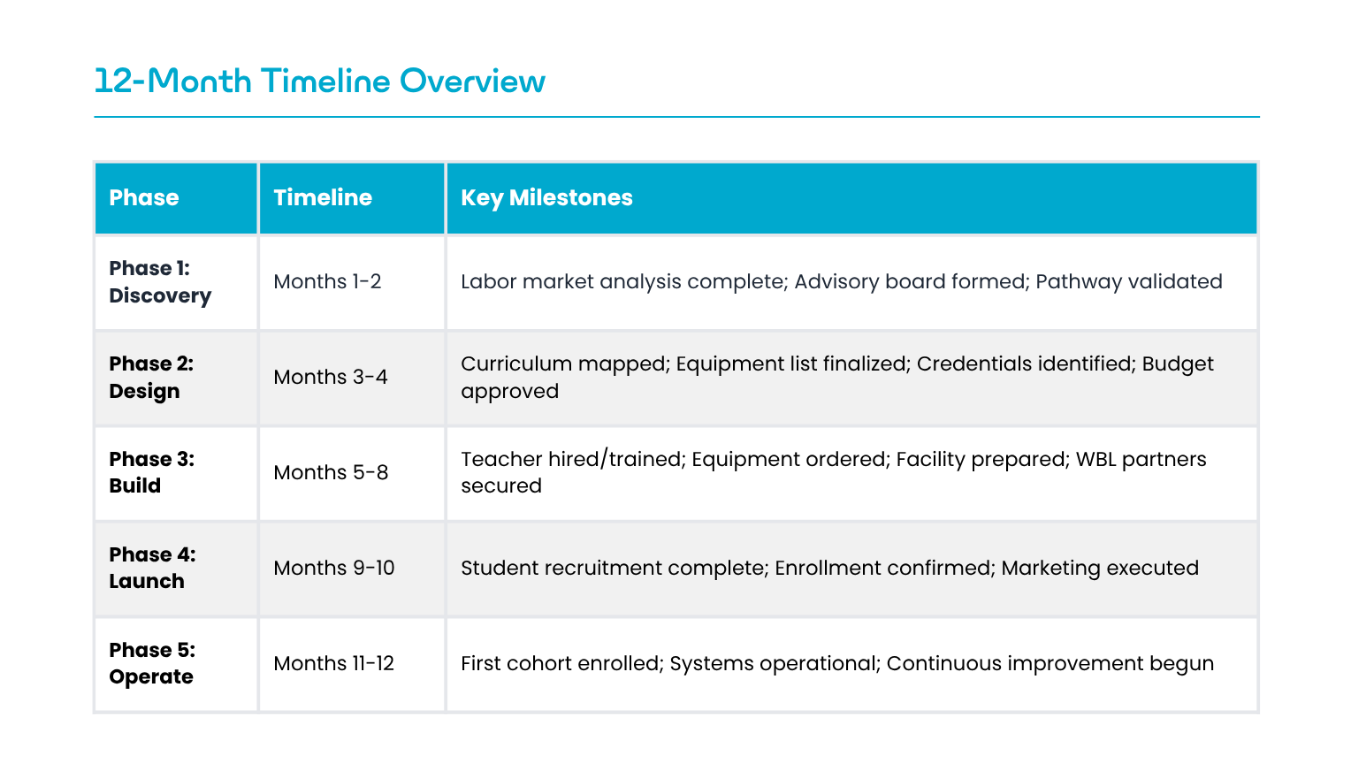
Phase 1: Discovery (Months 1–2)
Goal: Validate pathway choice with data, form an advisory board, and secure initial stakeholder buy-in.
What is a labor market analysis for CTE?
A labor market analysis for CTE pathway planning is a structured review of regional employment data to confirm that a proposed pathway aligns with real workforce demand. Before committing resources, CTE directors should validate that regional job openings, projected growth rates, and employer demand support the proposed program. A pathway validated by data, with demand exceeding 50+ annual regional openings, has the strongest foundation for Perkins V funding justification and long-term sustainability.
1.1 Labor market analysis
Before committing resources, validate that your proposed pathway aligns with real labor market demand. Complete this analysis framework:
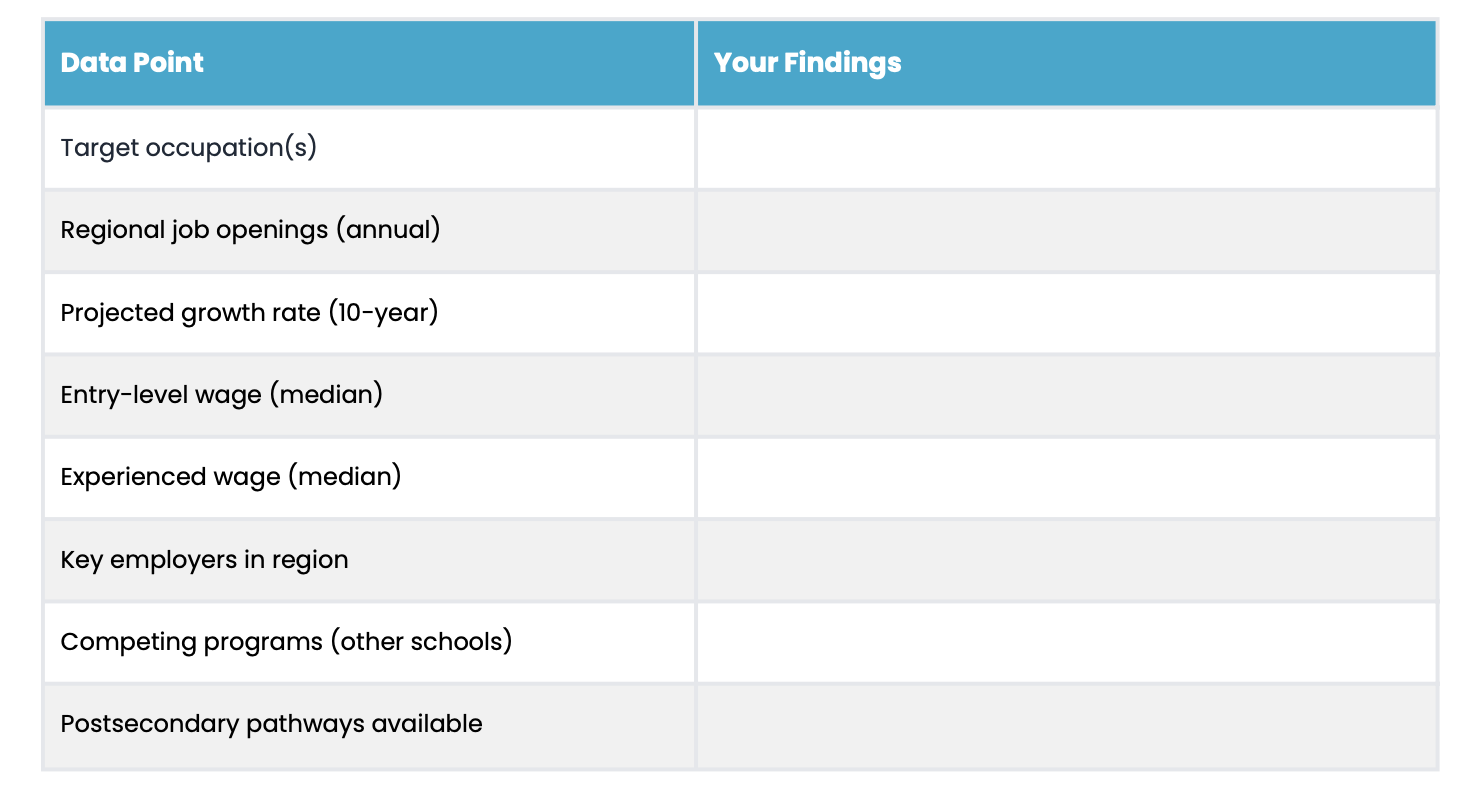
Data sources: Bureau of Labor Statistics Occupational Outlook Handbook; state labor market information (LMI) website; regional workforce development board; Lightcast (formerly EMSI/Burning Glass), if available.
1.2 Industry advisory board formation
Your advisory board will guide curriculum, provide work-based learning opportunities, and validate program direction. Target 6–10 members representing diverse perspectives:
- 3–5 employers from target industry (hiring managers preferred)
- 1–2 postsecondary partners (community college, technical school)
- 1 workforce development board representative
- 1 industry association representative (if applicable)
- 1 recent pathway completer or industry professional (alumni perspective)
Phase 1 checklist
- Labor market analysis completed and documented
- Pathway validated by data (demand exceeds 50+ annual openings regionally)
- Advisory board members identified and recruited
- First advisory board meeting scheduled
- Initial stakeholder presentation prepared
- Preliminary approval from district leadership
Phase 2: Design (Months 3–4)
Goal: Define curriculum, identify credentials, plan facilities/equipment, and secure budget approval.
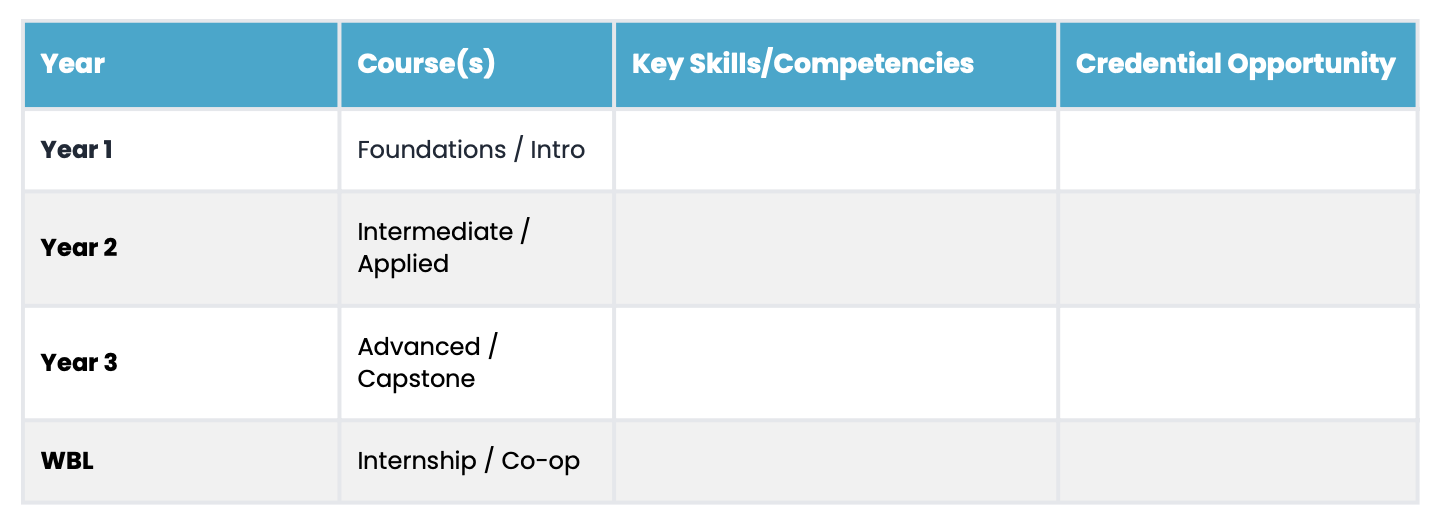
2.1 Curriculum mapping
Work with your advisory board to map the complete pathway from entry to completion:
2.2 Equipment & facility planning
Document all equipment, technology, and facility requirements:
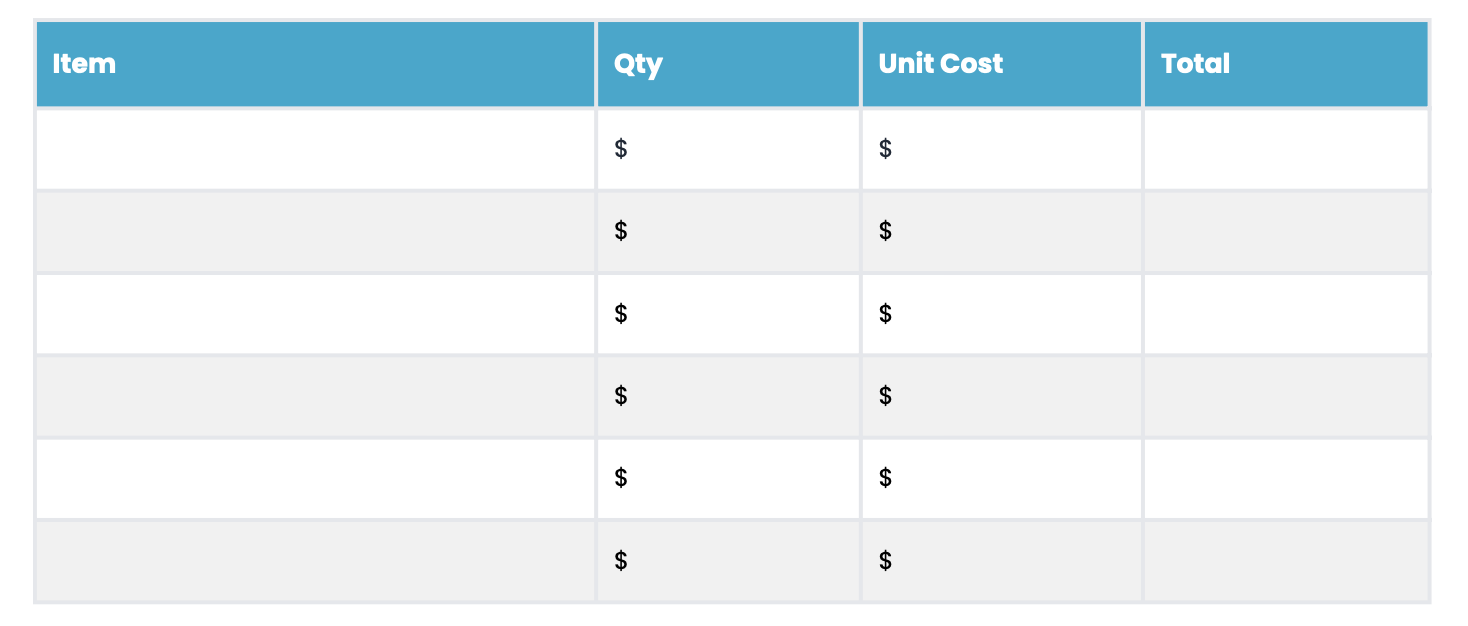
Funding sources to consider: Perkins grant, state CTE funding, district capital funds, industry donations, foundation grants, equipment leasing.
Phase 2 checklist
- Complete course sequence mapped with advisory input
- Industry-recognized credentials identified and approved
- Equipment list finalized with costs and funding sources
- Facility requirements documented
- Total budget developed and submitted for approval
- Postsecondary articulation discussions initiated
Phase 3: Build (Months 5–8)
Goal: Secure and prepare all resources: people, places, partnerships, and materials.
3.1 Teacher recruitment & preparation
Finding qualified CTE teachers is one of the biggest challenges. Start early and cast a wide net.
Recruitment sources: Industry professionals seeking career change; retiring military personnel with relevant skills; advisory board network referrals; community college adjunct instructors; alternative certification programs.
Teacher preparation checklist:
- Credential requirements verified with state
- Alternative certification pathway identified if needed
- Industry externship arranged (if new to education)
- Curriculum training scheduled
- Mentor assigned from experienced CTE staff
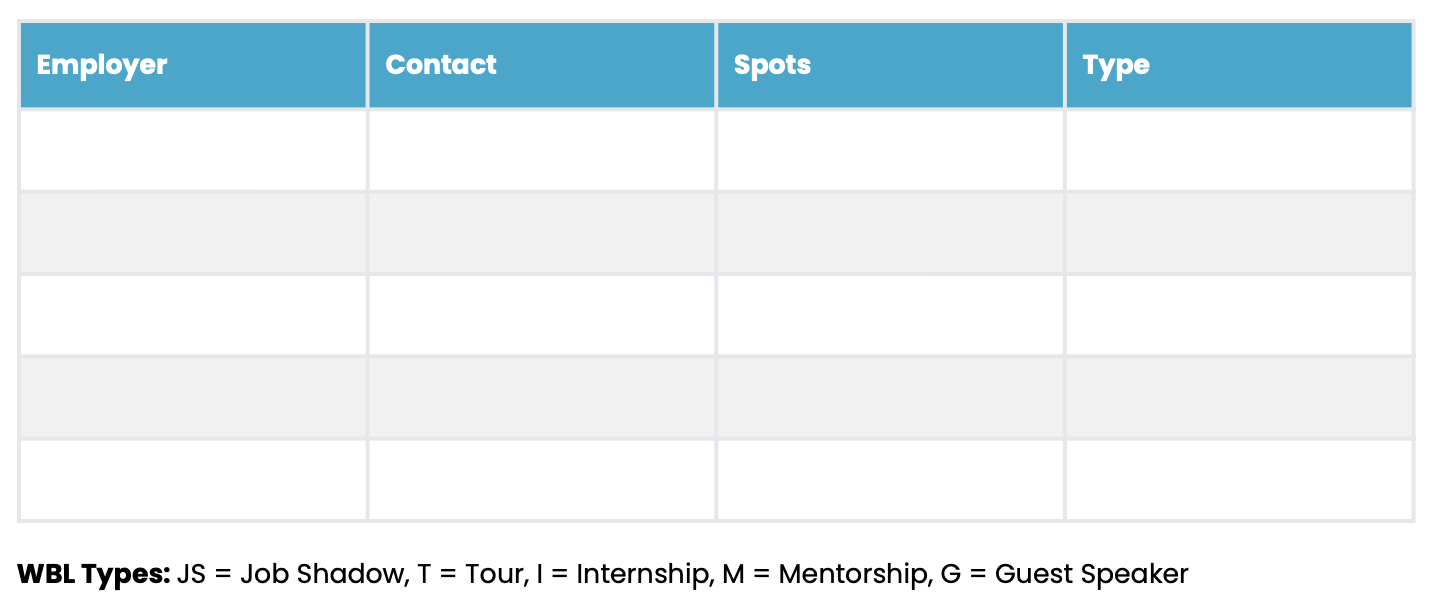
3.2 Work-based learning partnership development
Begin securing WBL commitments from employer partners. Track your outreach and commitments:
Phase 3 checklist
- Teacher hired or recruitment in final stages
- Teacher preparation/training plan in place
- Equipment ordered with delivery timeline confirmed
- Facility renovations/setup underway or complete
- WBL partnerships secured for Year 1
- Curriculum materials acquired
- Credential testing registration process established
Phase 4: Launch (Months 9–10)
Goal: Recruit and enroll first cohort of students.
4.1 Student recruitment strategy
Build excitement and awareness among students, parents, and counselors.
Marketing channels:
- Counselor presentations/training on new pathway
- 8th grade parent night presentation
- Pathway brochure/one-pager developed
- Social media announcement plan
- School website updated with pathway information
- Student ambassador/recruiter identified
- Feeder school visits scheduled
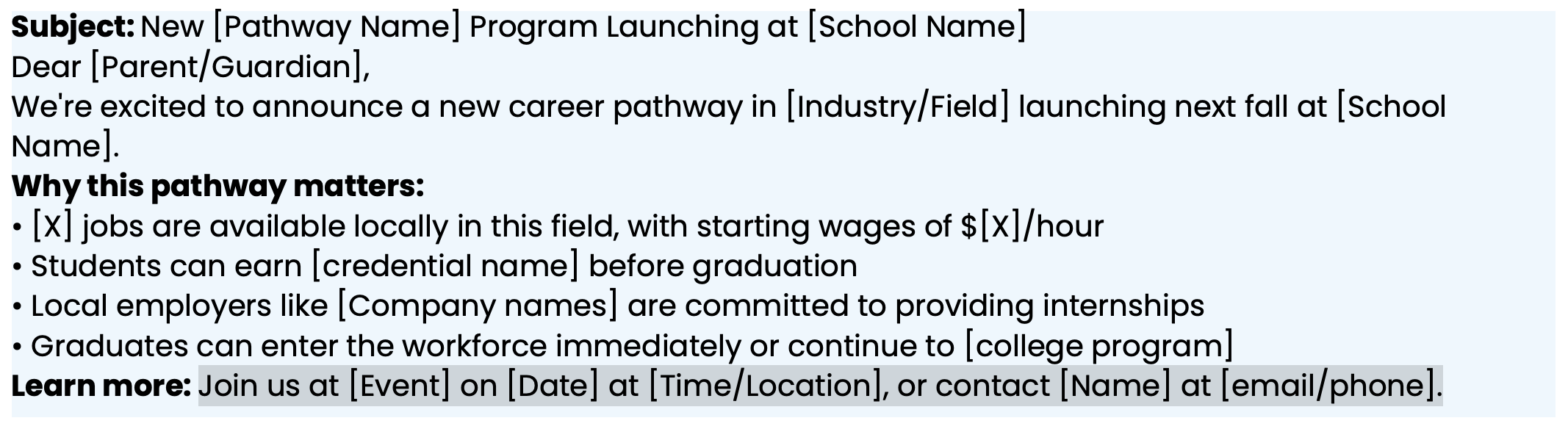
4.2 Parent communication template
Phase 4 checklist
- Recruitment materials developed and distributed
- Counselors trained on pathway details
- Parent information sessions held
- Course registration open and promoted
- Enrollment targets met (minimum viable cohort)
- Student applications/interest forms collected
Phase 5: Operate (Months 11–12)
Goal: Launch successfully and establish continuous improvement systems.
5.1 First day/week readiness
- All equipment installed and tested
- Safety protocols reviewed with students
- Curriculum materials ready
- Student information entered in tracking systems
- First advisory board meeting of year scheduled
5.2 Ongoing monitoring metrics
Track these indicators throughout Year 1 to ensure program success:
- Enrollment vs. target: Are you hitting planned numbers?
- Retention rate: How many students stay in the pathway vs. drop?
- Student satisfaction: Regular pulse checks on engagement
- WBL participation: Are students engaging with employer partners?
- Credential preparation: On track for testing?
- Advisory board feedback: Is industry satisfied with skill alignment?
Phase 5 checklist
- First cohort enrolled and classes begun
- Data tracking systems operational
- Advisory board meeting held within first 60 days
- Student feedback mechanism in place
- Year 2 planning discussions initiated
You did it! Now what?
Launching a new CTE pathway is a significant accomplishment. As you operate Year 1, keep these priorities in mind:
- Celebrate wins publicly — Share student successes with stakeholders, the community, and district leadership
- Document everything — Build your case for sustainability and expansion with data
- Stay connected to industry — Your advisory board is an ongoing asset, not a launch-phase checkbox
- Plan for Year 2 early — Recruitment for next cohort should begin midway through Year 1
- Iterate continuously — Use feedback to improve the program every semester
Sources
- Strengthening Career and Technical Education for the 21st Century Act (Perkins V) — U.S. Department of Education.
- Bureau of Labor Statistics Occupational Outlook Handbook.
- Advance CTE. State CTE Director Resources.

Keep reading.
The complete Perkins V application toolkit
A step-by-step guide for CTE directors — CLNA templates for all five required elements, a budget worksheet, and the mistakes to avoid.
The WBL Management System Playbook
The ultimate guide to WBL program management, covering the continuum, program planning, compliance tracking, and how JobreadyWBL by Pathful manages it all at scale.
The complete work-based learning partnership builder
Cold outreach templates, internship agreement forms, a workplace mentor guide, and a partnership tracking system for WBL coordinators.
Ready to make career readiness more meaningful?
Let's talk about how Pathful can support your students and meet your goals.