.png)
A Women's History Month tribute to eight visionary educators — from Emma Hart Willard to Winifred Hathaway — who challenged societal norms and built the educational pathways that shape CTE today.
As we celebrate Women's History Month, we honor the visionary female educators who transformed Career and Technical Education (CTE) in America. These remarkable women challenged societal norms, created new educational pathways, and opened doors for generations of students — not only expanding opportunities for women but fundamentally reshaping how we approach career preparation and technical training.
Emma Hart Willard: setting the foundation
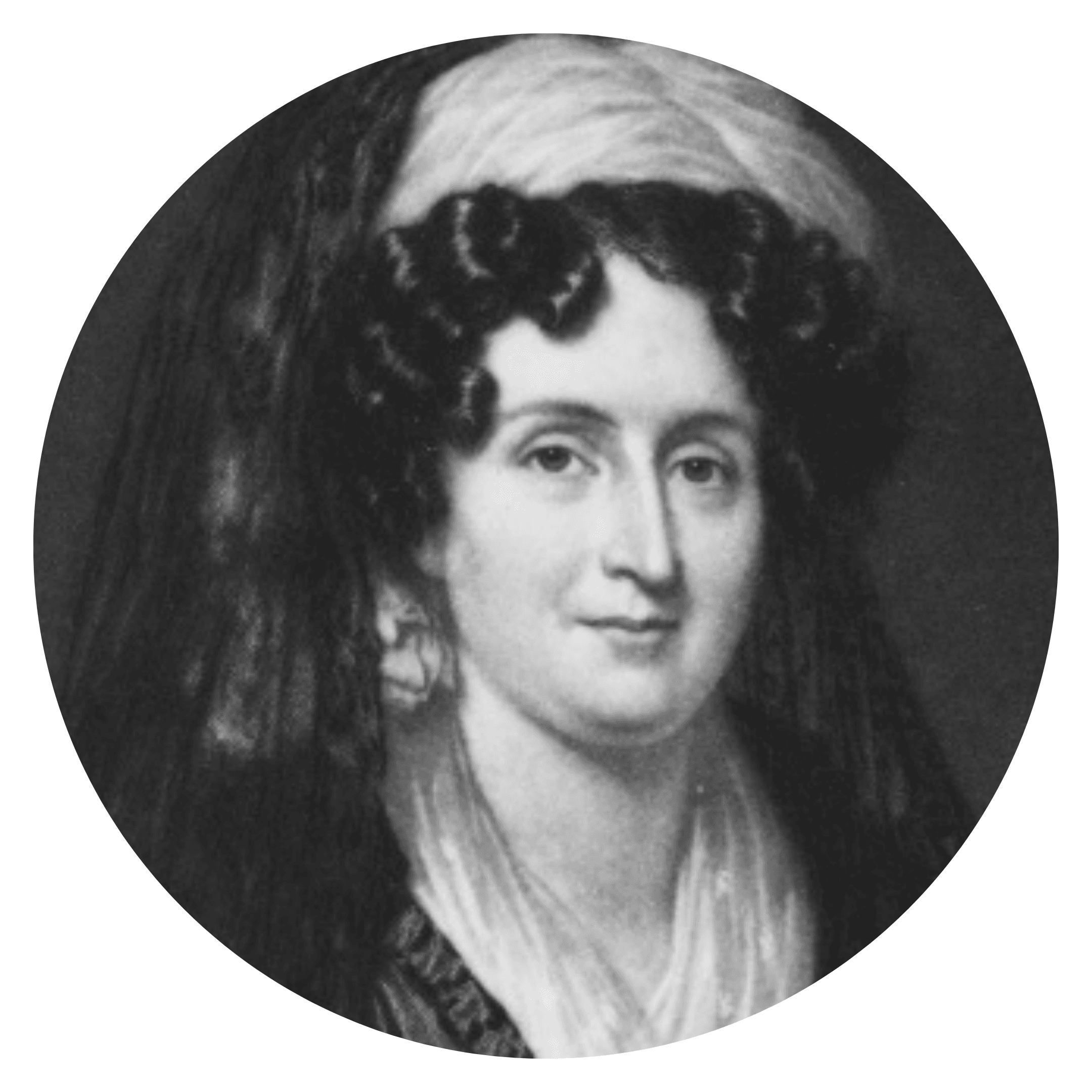
Long before career education was formalized, Emma Hart Willard (1787–1870) was laying crucial groundwork. In 1821 she founded the Troy Female Seminary in New York, one of America's first institutions offering young women an education comparable to men's. What made her approach revolutionary was insisting on subjects then considered “masculine” — mathematics, science, and philosophy — alongside traditional accomplishments. Her 1819 “Plan for Improving Female Education” became a foundational document, arguing the republic needed educated women to raise informed citizens.
Catherine Beecher: professionalizing domestic arts
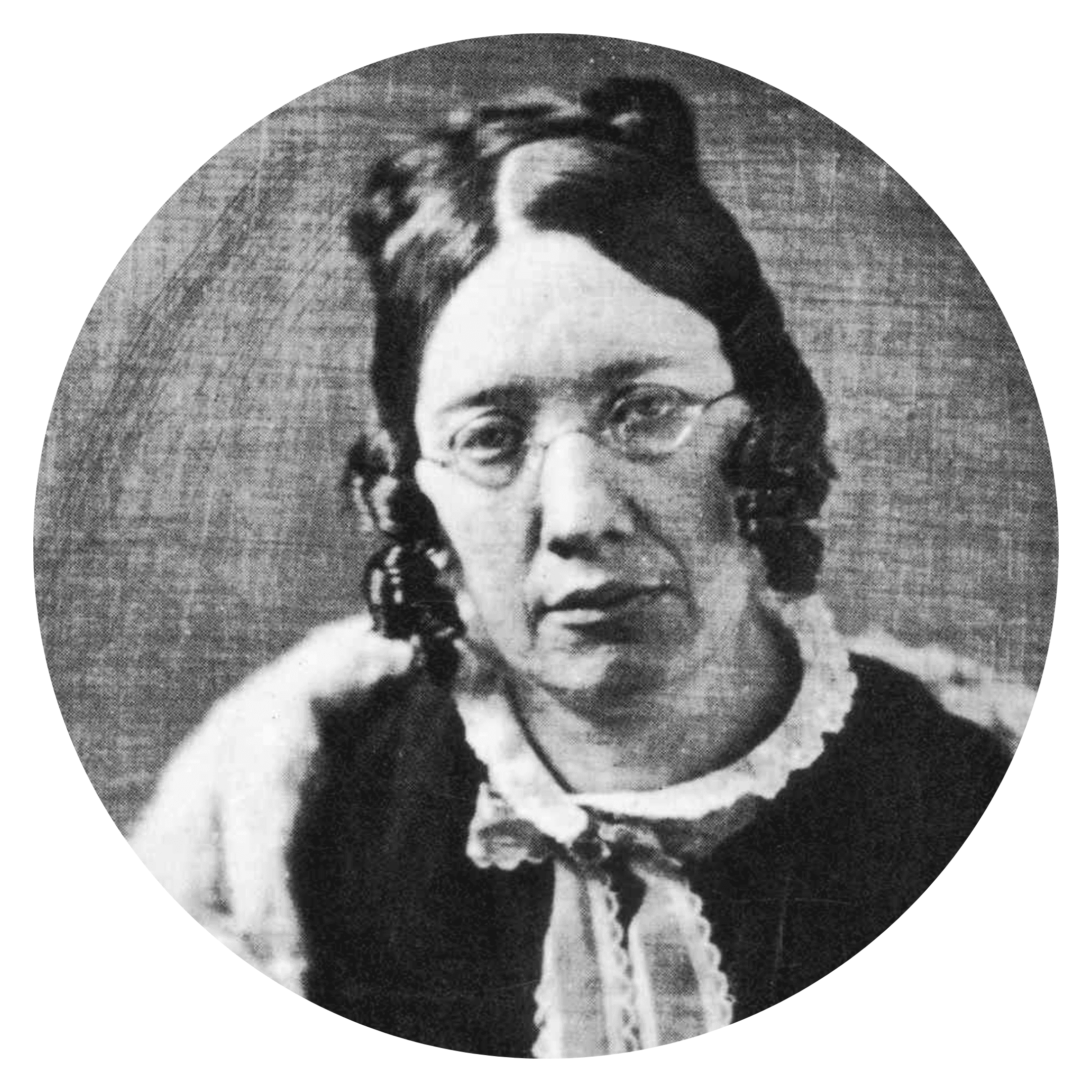
Catherine Beecher (1800–1878) transformed how America viewed domestic education, elevating homemaking from drudgery to a respected profession requiring scientific knowledge and technical skill. Through books like A Treatise on Domestic Economy (1841) and institutions such as the Hartford Female Seminary, she built curricula that treated domestic arts with the same rigor as other subjects — incorporating chemistry, nutrition, sanitation, and economics — creating one of the earliest forms of structured career education for women.
Mary Lyon: democratizing higher education
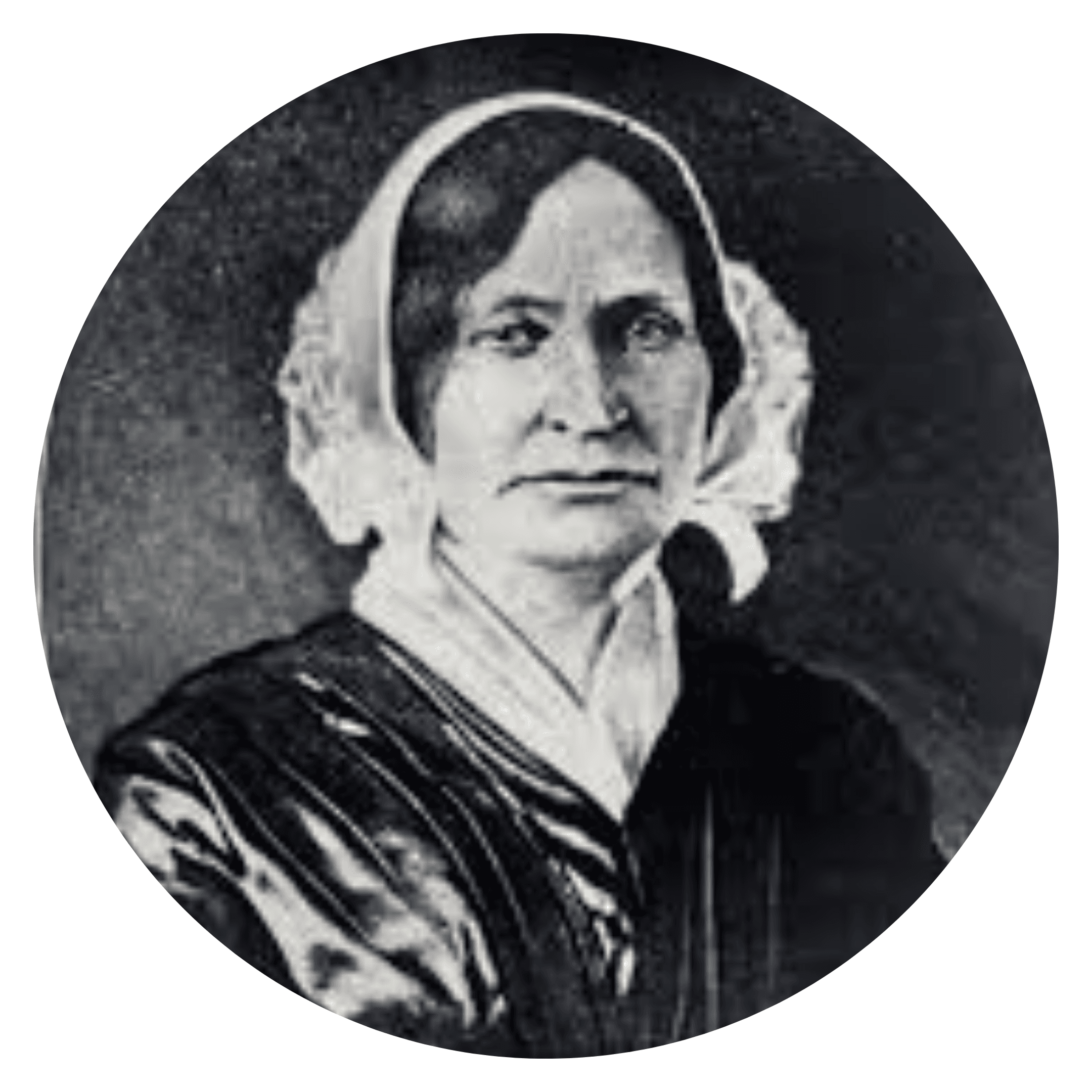
When Mary Lyon founded Mount Holyoke Female Seminary (later Mount Holyoke College) in 1837, she created a revolutionary model combining academic rigor with practical training at an affordable cost. Her curriculum paired traditional academics with skills that prepared women for teaching and other careers, and a cooperative living system let students perform domestic work to reduce costs — making career preparation accessible to middle- and working-class women.
Jane Addams: bridging education and social reform
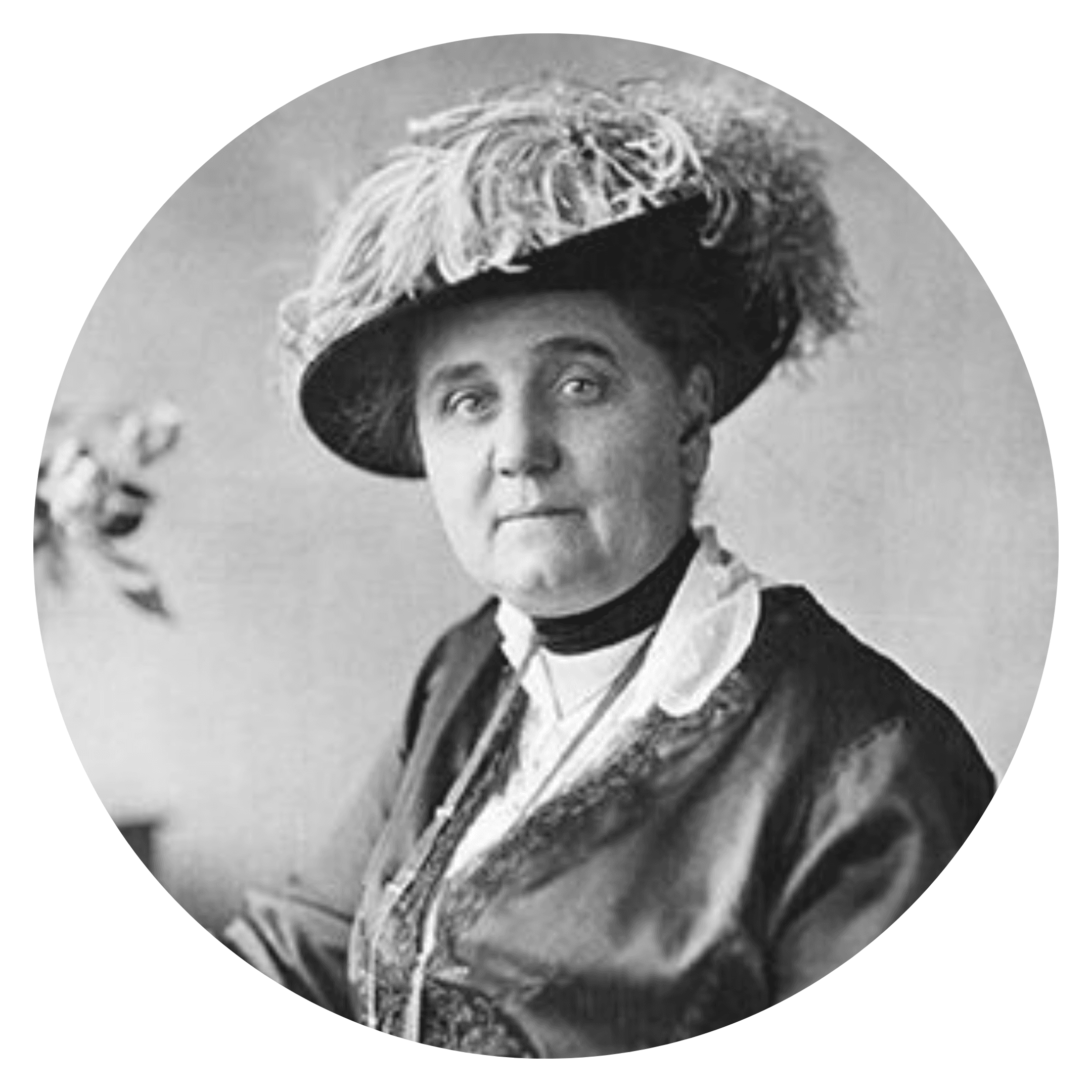
Nobel Peace Prize winner Jane Addams (1860–1935) revolutionized vocational training through Hull House in Chicago, founded in 1889. The settlement house offered classes in industrial arts, commercial subjects, and domestic sciences — always connecting learning to real employment opportunities. Her holistic approach acknowledged social context and community needs, and her advocacy led to better labor laws and educational reforms expanding vocational opportunities for women and immigrants.
Anna Julia Cooper: advancing educational equity

Dr. Anna Julia Cooper (1858–1964), born into slavery and later earning a PhD from the Sorbonne, became a powerful advocate for educational equity as principal of the M Street (later Dunbar) High School in Washington, D.C. “When and where I enter, in the quiet, undisputed dignity of my womanhood… then and there the whole race enters with me,” she wrote in her 1892 book A Voice from the South. She implemented curricula that prepared students for both higher education and vocational careers, refusing the limited opportunities typically afforded Black students.
Mary McLeod Bethune: creating new educational models
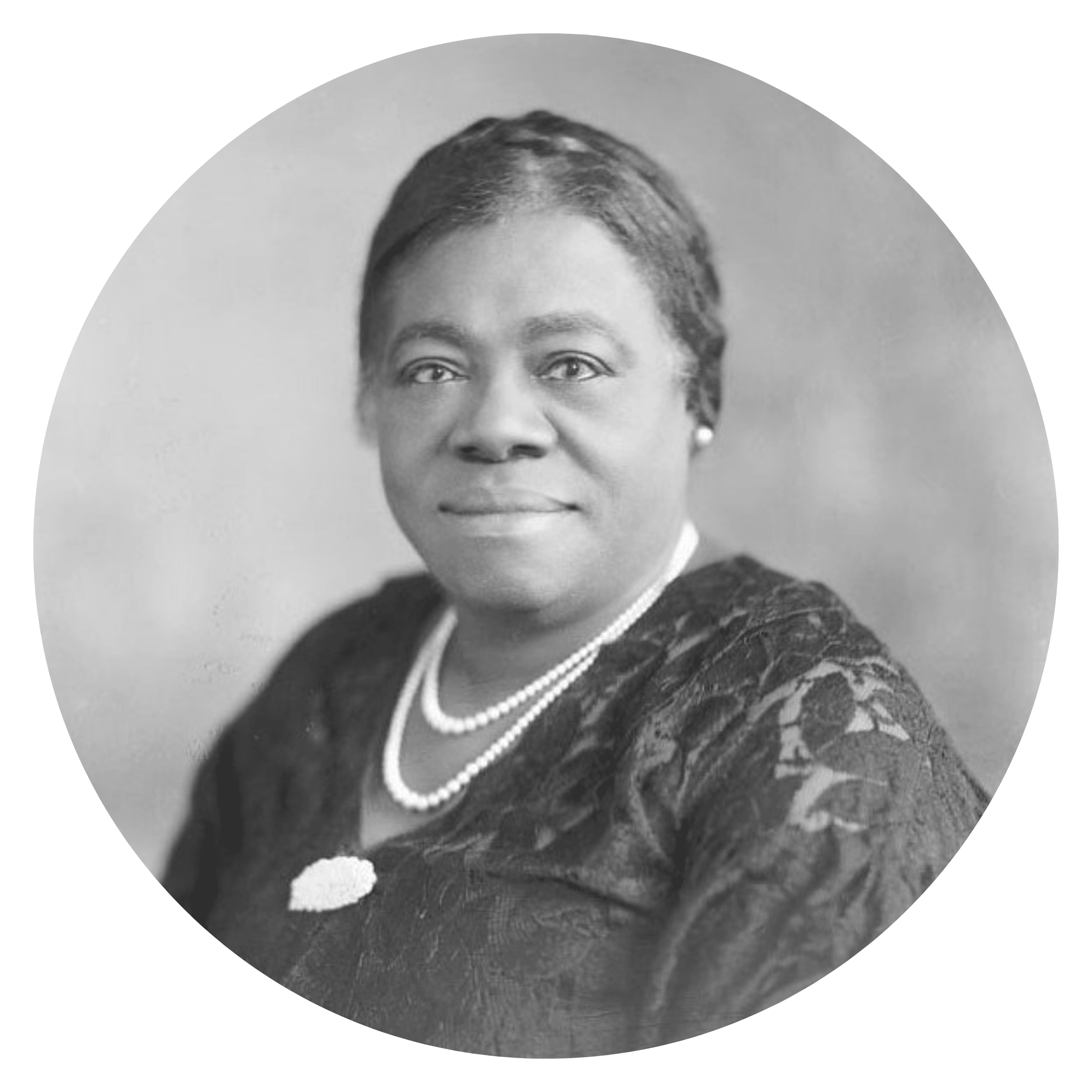
As mentioned in our Black History Month feature, Mary McLeod Bethune (1875–1955) created transformative educational models when she founded the Daytona Educational and Industrial Training School for Negro Girls in 1904. She tailored her approach to the dual racial and gender discrimination Black women faced, combining liberal arts with vocational training to prepare women to be both economically self-sufficient and community leaders — an approach she carried as the school became Bethune-Cookman College.
Ellen Swallow Richards: pioneering home economics education
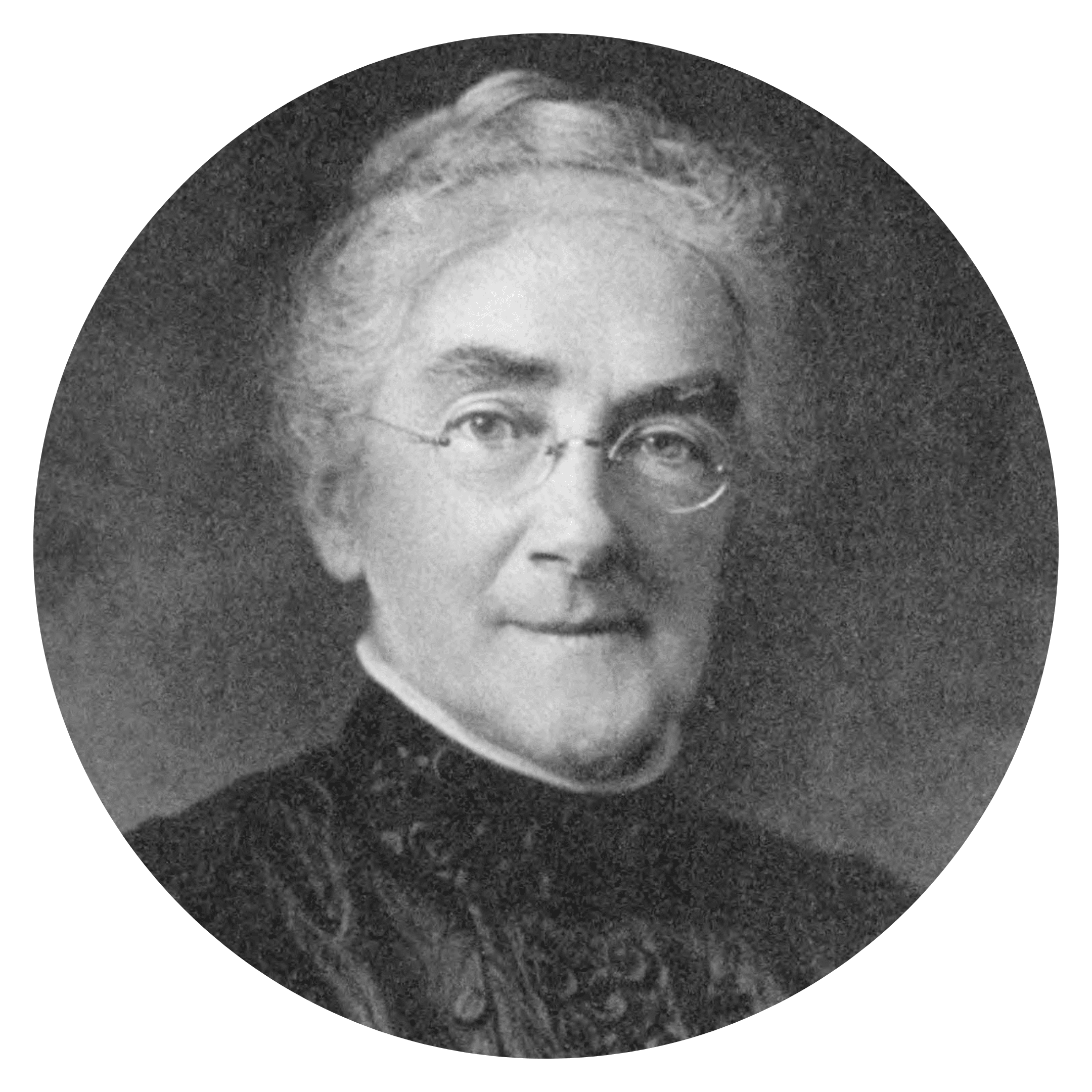
Ellen Swallow Richards helped establish home economics as a legitimate academic discipline with rigorous standards and scientific foundations. A founding member of the American Home Economics Association in 1909, she recognized that home economics could open careers beyond homemaking — food science, nutrition, textiles, and education — combining scientific principles with practical applications to create pathways to economic independence in fields that were socially acceptable at the time.
Winifred Hathaway: advancing special-needs vocational education
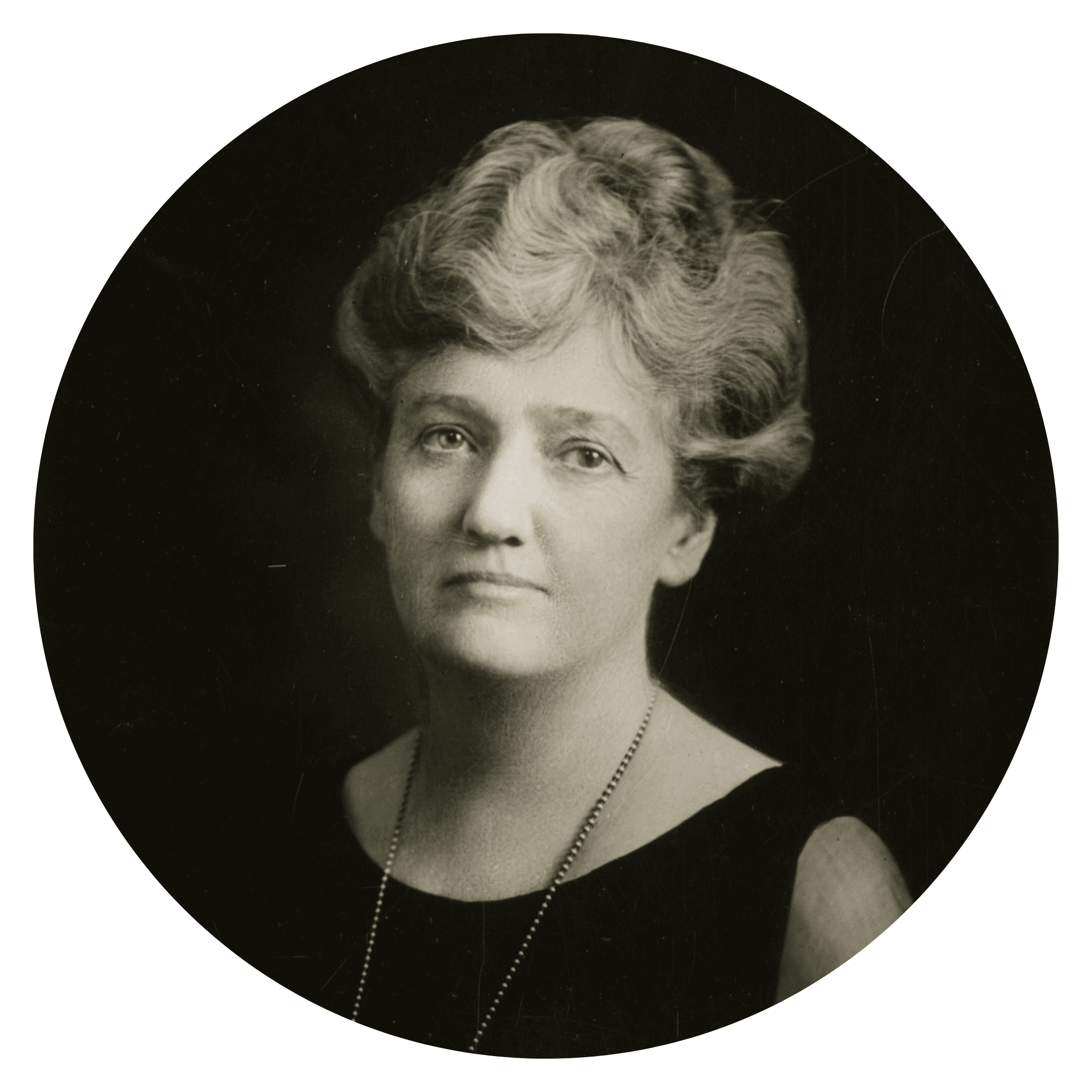
Winifred Hathaway's early-20th-century work focused on vocational education programs for students with visual impairments. As an educator and advocate with the National Society for the Prevention of Blindness, she developed innovative career-training approaches; her 1943 book Education and Health of the Partially Seeing Child helped establish standards for vocational programs that accommodated visual impairments while maintaining high expectations — demonstrating that with appropriate accommodations, students with disabilities could master vocational skills and achieve economic independence.
Legacy and continuing impact
These pioneers transformed CTE through innovative approaches, often working against significant societal constraints. Their legacy lives on in principles that continue to shape effective programs:
- The integration of academic knowledge with practical skills
- The importance of making career education accessible across socioeconomic boundaries
- The need to adapt vocational training to meet diverse learning needs
- The value of connecting career preparation to community needs
- The power of education to create pathways to economic independence
We honor these educators not just for breaking barriers in their own careers, but for creating educational models that opened doors for countless others — a vision of education as a pathway to economic empowerment and social change that still inspires CTE today.
Was this article helpful?
Thanks for letting us know!

Keep exploring.
Can't find what you need?
Our support team is here to help you make the most of Pathful.