
From Virtual Guest Speakers to School-Wide Engagement
Learn how to turn virtual guest speakers into a school-wide strategy by building consistent, meaningful engagement with real-world professionals across grade levels.

In many schools, access to real-world professionals depends on individual effort rather than a shared plan.
If you ask students how often they hear directly from people working in fields they are considering, the answers can vary widely within the same school. Some students can recall several meaningful conversations. Others struggle to think of even one.
The difference usually is not intentional. More often, it comes down to timing and circumstance. One teacher finds ways to bring professionals into the classroom, finding creative ways to make it work. Another fully supports the idea but struggles to find room in an already packed pacing guide. Over time, those small differences quietly shape how much exposure students have to the working world.
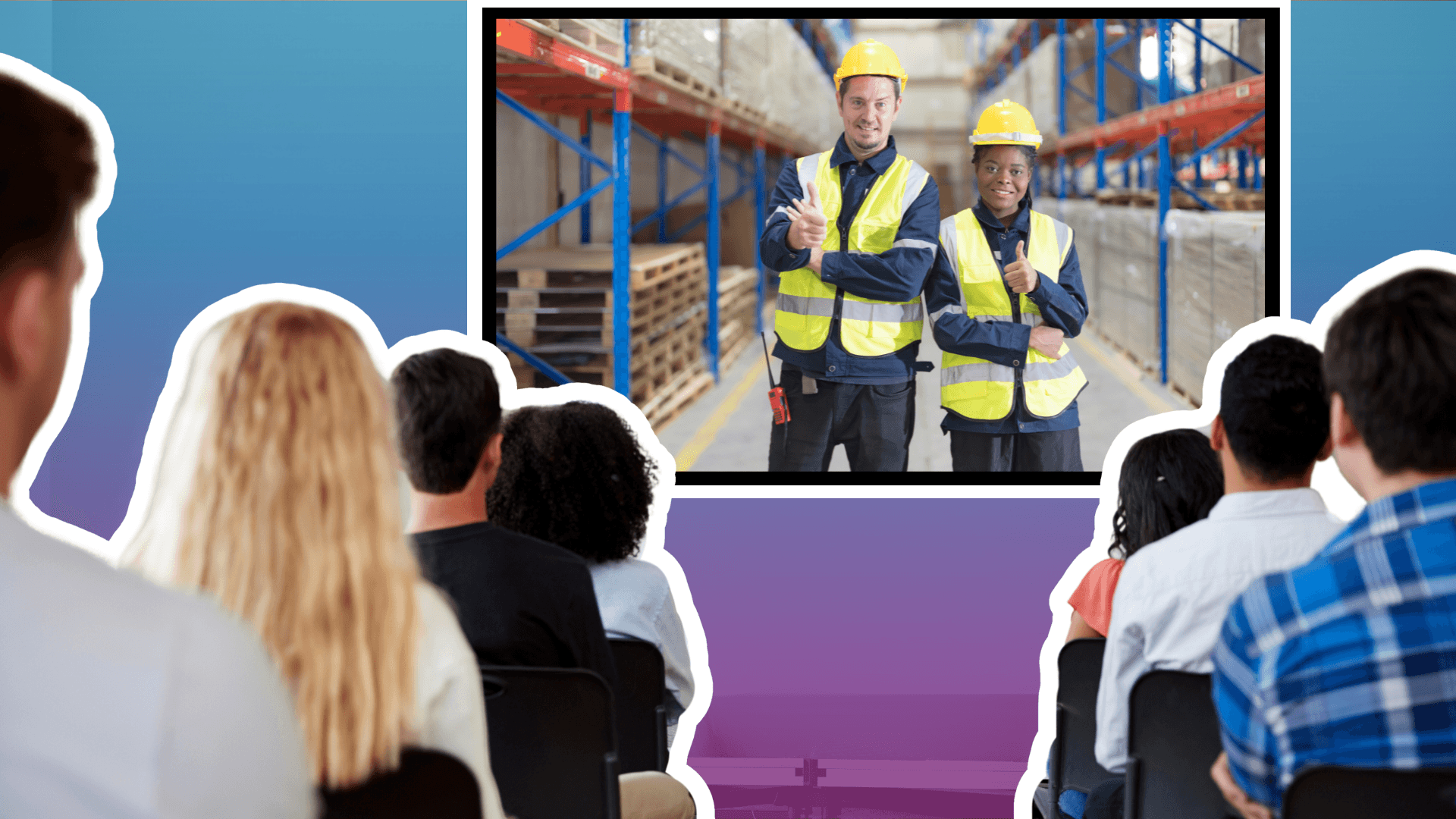
Virtual guest speakers, including Pathful’s Live Work-Based Learning Sessions, make it much easier to bring real voices into the classroom. Instead of coordinating transportation, relying on personal networks, or navigating complicated schedules, students can hear directly from professionals across industries with far fewer barriers.
Still, the real impact rarely comes from a single session.
What matters is whether those experiences happen occasionally or whether they become something students encounter consistently as they move through school. In most cases, that difference comes down to whether there is a plan.
Step 1: Make Real-World Voices Part of How You Do School
When guest speakers, whether virtual or in-person, are treated as extras, they compete with everything else already on the calendar. Testing windows, assemblies, field trips, and pacing deadlines all make it difficult to justify adding something that feels optional.
When schools begin treating professional voices as part of the learning model, the planning process changes.
That shift often starts with leadership naming it clearly. Not as a mandate, but as a shared expectation: students here will regularly hear from people doing real work in the real world.
Once that expectation becomes visible, educators and counselors begin to approach these opportunities differently. Instead of waiting for open time, they start asking which sessions could strengthen what students are already learning.
In many schools, this begins with simple coordination. During grade-level or department meetings, teams look ahead at upcoming virtual guest speaker sessions, decide which ones connect naturally to their content, and plan out who will request which sessions so students across grade levels are getting a more consistent experience.
Over time, sessions that once happened occasionally begin to appear more regularly throughout the year. The conversation shifts from whether a class can fit one in to where it belongs.
Consistency matters more than volume.
Step 2: Design for Growth, Not Just Exposure
More virtual guest speakers, including Live WBL Sessions, do not automatically create impact just because there are more of them on the calendar.
Students do not need random exposure year after year. They need experiences that build.
The schools that see real impact treat these sessions the way they treat curriculum. They expect growth over time.
Instead of asking, “What sounds interesting this month?”
The better question becomes, “What would move our students forward right now?”
For younger students, that often means broad exposure. Hearing a hospital administrator describe the range of roles inside a healthcare system or a welder explain what their daily work involves expands what students believe is possible.
As students move into later grades, those conversations become more focused. Instead of simply hearing about a career, students begin to understand how related roles differ. They might hear professionals explain the differences between nursing and radiology or between different types of engineering, along with the training each path requires.
By the upper grades, the questions shift again. Students want to know what employers look for, which skills are often missing, and what the transition from school into the workforce actually feels like.
Consider a student who first hears a broad healthcare session in middle school and realizes how many roles exist within a hospital. In high school, that same student attends a session comparing healthcare pathways while selecting courses. Later, they hear from a hiring manager discussing certifications and workplace expectations. By senior year, a session focused on apprenticeships or community college pathways feels directly relevant because it connects to experiences they have already had.
That kind of progression does not happen by accident.
When experiences build over time, students move from curiosity to clarity. Sessions stop feeling isolated and start helping students make sense of their own interests and decisions.
Step 3: Share the Ownership
Efforts like this rarely become sustainable if they are managed by one person or one department.
If virtual guest speakers live only within counseling or a single program, they tend to remain siloed. Participation depends on how much time and energy a small group of educators can devote to organizing them.
Schools that build lasting engagement distribute ownership across teams.
Departments look ahead at upcoming sessions together, talk through which ones make sense for their classes, and plan out who will request what so coverage is intentional across subjects and grade levels. Teachers connect sessions to units they are already teaching, and grade-level teams talk about what students have already experienced and what would build on it next.
This does not require a complicated system. It usually starts with regular conversations about how these experiences fit together.
As more educators see how professional perspectives strengthen classroom learning, participation tends to grow naturally.
Step 4: Do Something With the Momentum
Anyone who has hosted a virtual guest speaker session has likely seen the moment when the energy in the room shifts and students begin asking more thoughtful questions.
The challenge is making sure that momentum continues once the session ends.
Even simple reflection can make a difference. Students might write down a skill the speaker mentioned, identify a career they want to explore further, or note a question they would ask if the conversation continued.
Educators can also use that moment to guide students toward related career exploration resources or follow-up activities so they can go deeper.
Some schools extend the experience further by connecting sessions to Industry-Led Projects. A professional introduces a real-world challenge during the session that students continue working on afterward, allowing that perspective to shape learning beyond a single conversation.
When sessions connect to reflection and follow-up, students begin to see them not as isolated events but as part of an ongoing process of figuring out what they want to do and how to get there.
Step 5: Make It Visible
For efforts like this to last, they need to remain part of the broader conversation about student readiness.
Leadership teams can reinforce this simply by periodically looking at participation across grade levels, noticing where engagement is strong, and talking openly about where it is uneven.
These conversations are rarely about compliance. Instead, they help schools understand whether students are encountering professional perspectives with some consistency.
Visibility also helps prevent a common pattern in which most sessions happen in a handful of classrooms while others rarely experience them. By reviewing participation, whether through platform data or simple tracking, schools can see where exposure is concentrated and where it can be expanded.
Over time, this helps virtual guest speakers feel less like a separate initiative and more like a normal part of how the school operates.
When It Becomes Part of the Experience
The shift usually happens gradually.
Students begin referencing professionals they heard earlier in the year during classroom discussions. Teachers incorporate sessions into upcoming units because the perspective strengthens the lesson. Grade-level teams talk about what students have already experienced and what might help them think more clearly about their future.
Hearing from professionals no longer feels like something that needs to be squeezed into the calendar.
It becomes something students expect, while still offering new perspectives and insights each time.
And when that happens, access to real-world perspectives is no longer determined by chance or by which classroom a student happens to be in. Those conversations become part of the learning environment itself.
That is when virtual guest speakers stop feeling like a program and start feeling like part of the culture.
.webp)
.png)
.png)


.png)





.png)
.png)

.png)

.png)
.png)

.png)
.png)

.png)
.png)


.png)
.png)
.webp)

.png)
.png)

.png)
.png)
%20(1).png)
.png)
.png)


.png)

.png)


.png)
.png)
.png)
.png)



.png)


.png)
.png)




.png)
.png)



.webp)
.webp)
%20(1)%20(1).webp)
.webp)
.webp)